Best Time to Visit Morocco: A Month by Month Guide (2026)
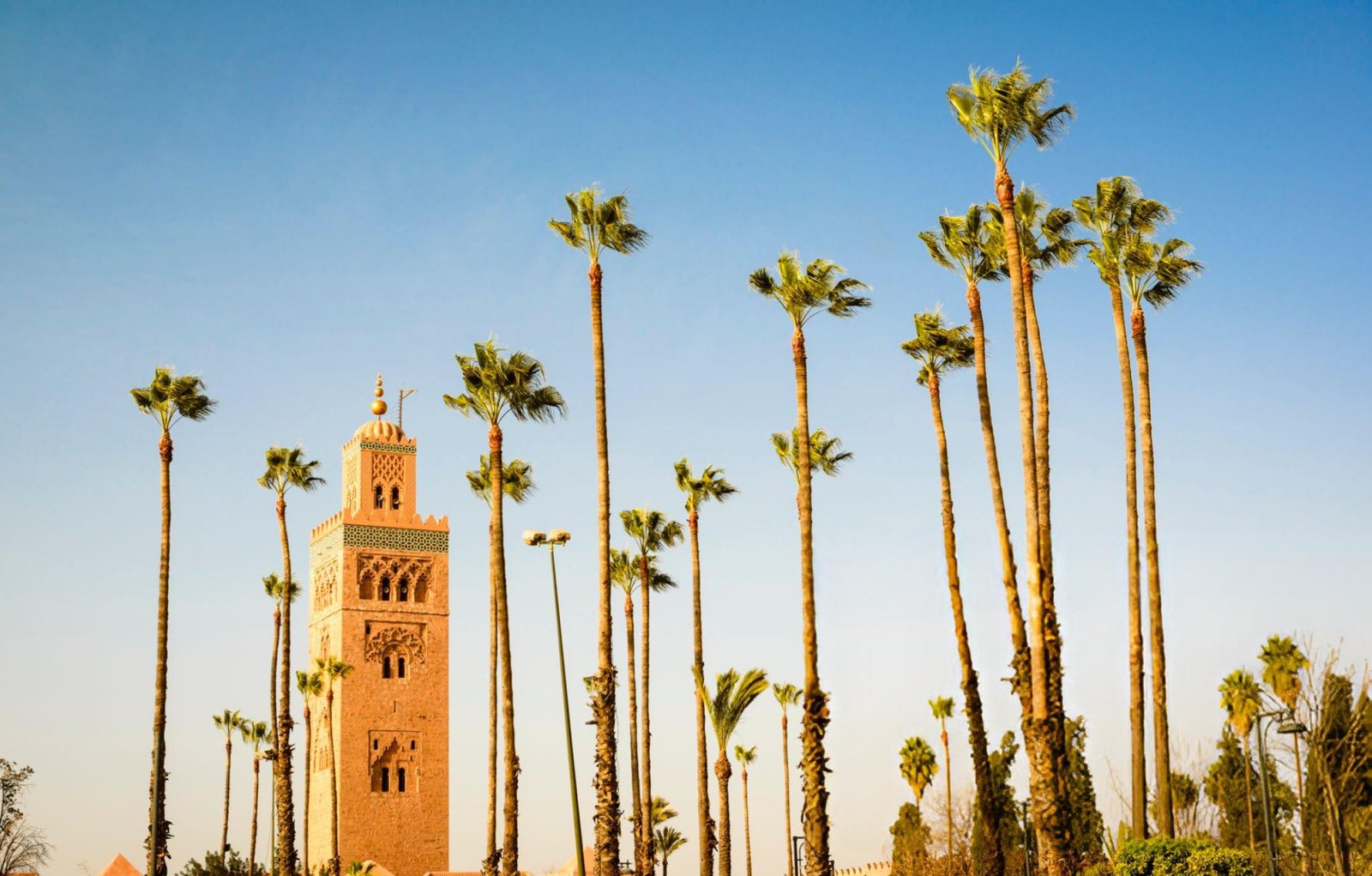
Morocco is one of those rare destinations that works in every season. The question is not whether to come. It is when, and what kind of experience you want when you arrive.
This guide is written by our local team in Marrakech. We have driven every route in every season. Here is what we have learned.
October and November The Golden Season
If you can only visit Morocco once and want to see everything, go in October or November.
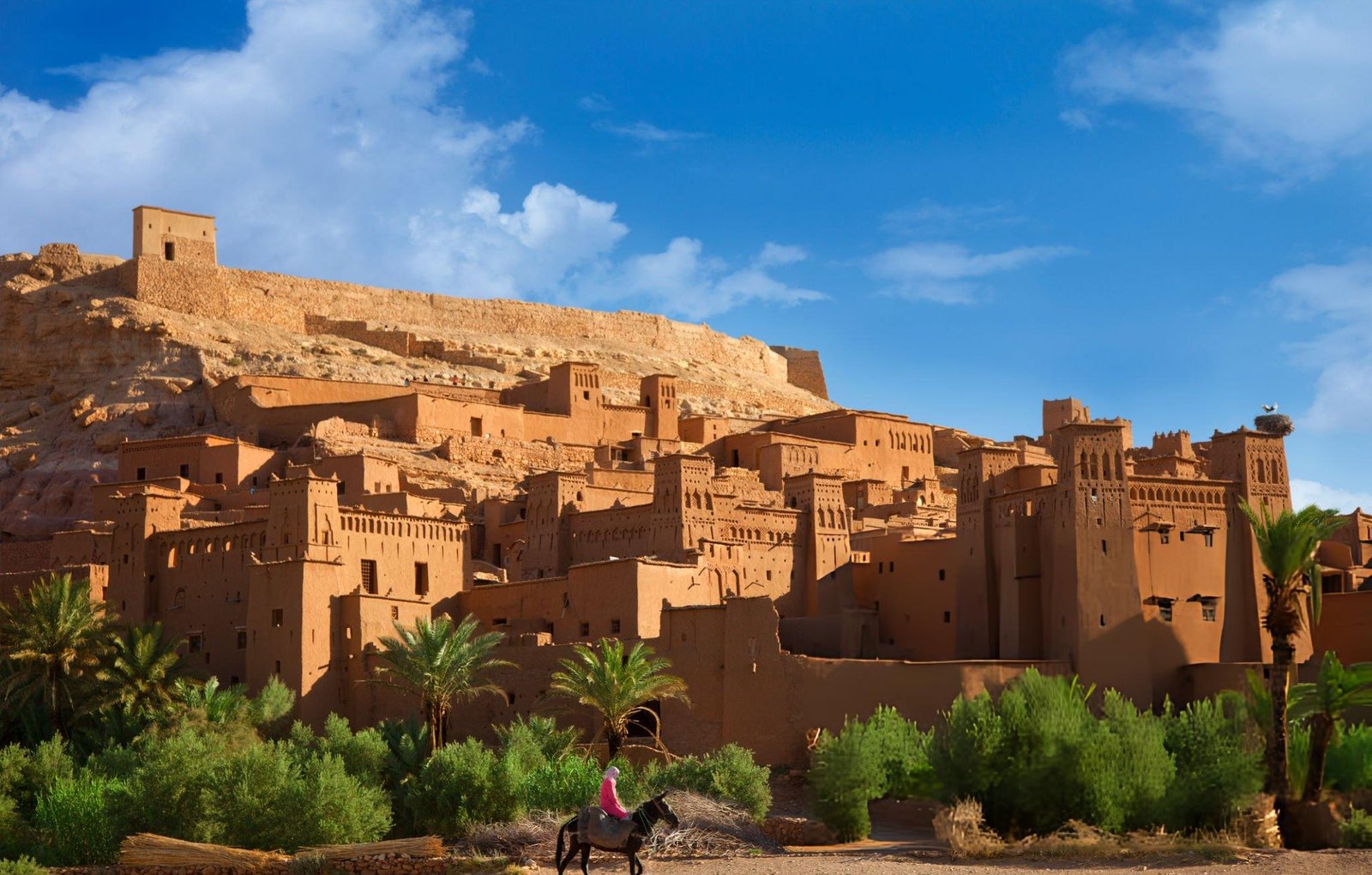
The summer heat has broken across the south. The Sahara dunes are golden and dry. Days are warm enough for a t-shirt and nights in the desert are cool enough to need a blanket around a campfire. The crowds from peak summer have thinned out. The light in the late afternoon is extraordinary, especially in Marrakech’s ochre medina and along the Draa Valley road south of Ouarzazate.
October and November are ideal for desert tours, long road trips, and city exploration alike. If you want a camel trek at sunset in Merzouga that does not feel rushed, this is your window.
March to May Best for the Atlas Mountains
Spring transforms the Moroccan landscape in ways that most visitors never see because they come in summer.
The High Atlas fills with wildflowers. The rivers run fast and cold. The Ourika Valley and Ouzoud Waterfalls are at their most dramatic. Almond trees blossom across the hillsides around Tafraout in February and March, producing one of the most beautiful natural spectacles in North Africa.
Spring is also when the Rose Festival takes place in Kelaat M’Gouna in the Dades Valley, usually in late April or early May. Entire fields of Damask roses bloom along the riverbanks, and the town celebrates with music, markets, and the crowning of the Rose Queen. If you are traveling through the south in this season, do not miss it.
The cities are also at their best in spring. Fes in April is manageable on foot, the medina crowds are lighter than summer, and the evenings are warm enough to sit on a rooftop terrace without a coat.
June to August Coastal and Northern Morocco
The Sahara in July can reach 45 degrees Celsius. We will be honest with you. It is too hot for a comfortable desert tour.
But Morocco is a large country with very different climates running at the same time. While the south bakes, the Atlantic coast stays cool thanks to the trade winds. Essaouira in August is perfect. The wind keeps the temperature around 22 degrees, the beaches are wide, and the blue and white medina is one of the most photogenic places in the country.
Chefchaouen in the Rif Mountains is also excellent in summer. The altitude keeps temperatures moderate and the blue-painted streets are at their most vivid in the strong northern light.
For anyone visiting Morocco in July or August, we recommend building your itinerary around the north and the coast rather than the desert south.
December to February Winter Magic and Empty Medinas
Winter in Morocco is underrated. The medinas of Fes and Marrakech are quieter than at any other time of year. Hotels are less expensive. The souks feel more like places where real life happens and less like tourist attractions.
The High Atlas gets snow in December and January, and the sight of snow-capped mountains behind Marrakech’s palm groves is genuinely spectacular. Day trips from the city into the mountains feel completely different in winter, more dramatic, more remote.
The Sahara in winter is cold at night, reaching around 5 degrees Celsius after midnight, but the daytime temperatures are comfortable and the sky is absolutely clear. The stars over the Merzouga dunes on a cold December night are unlike anything we can describe in words. Bring a warm layer and experience it.
Ramadan Traveling Respectfully
Ramadan shifts each year according to the Islamic lunar calendar. In 2026 it falls in late February and March.
Traveling during Ramadan is a genuine and fascinating cultural experience if you approach it with respect and an open mind. Most restaurants reduce their hours or close during the day, but open fully after sunset for Iftar, the meal that breaks the fast. The evening atmosphere in Marrakech’s Jemaa el-Fna during Ramadan is unlike anything at any other time of year. It is one of the most alive, generous, and communal experiences Morocco offers.
Alcohol is less available during Ramadan and the pace of business slows. If you need a fast-moving itinerary, travel outside this window. If you want to see Morocco from the inside, Ramadan is worth experiencing at least once.
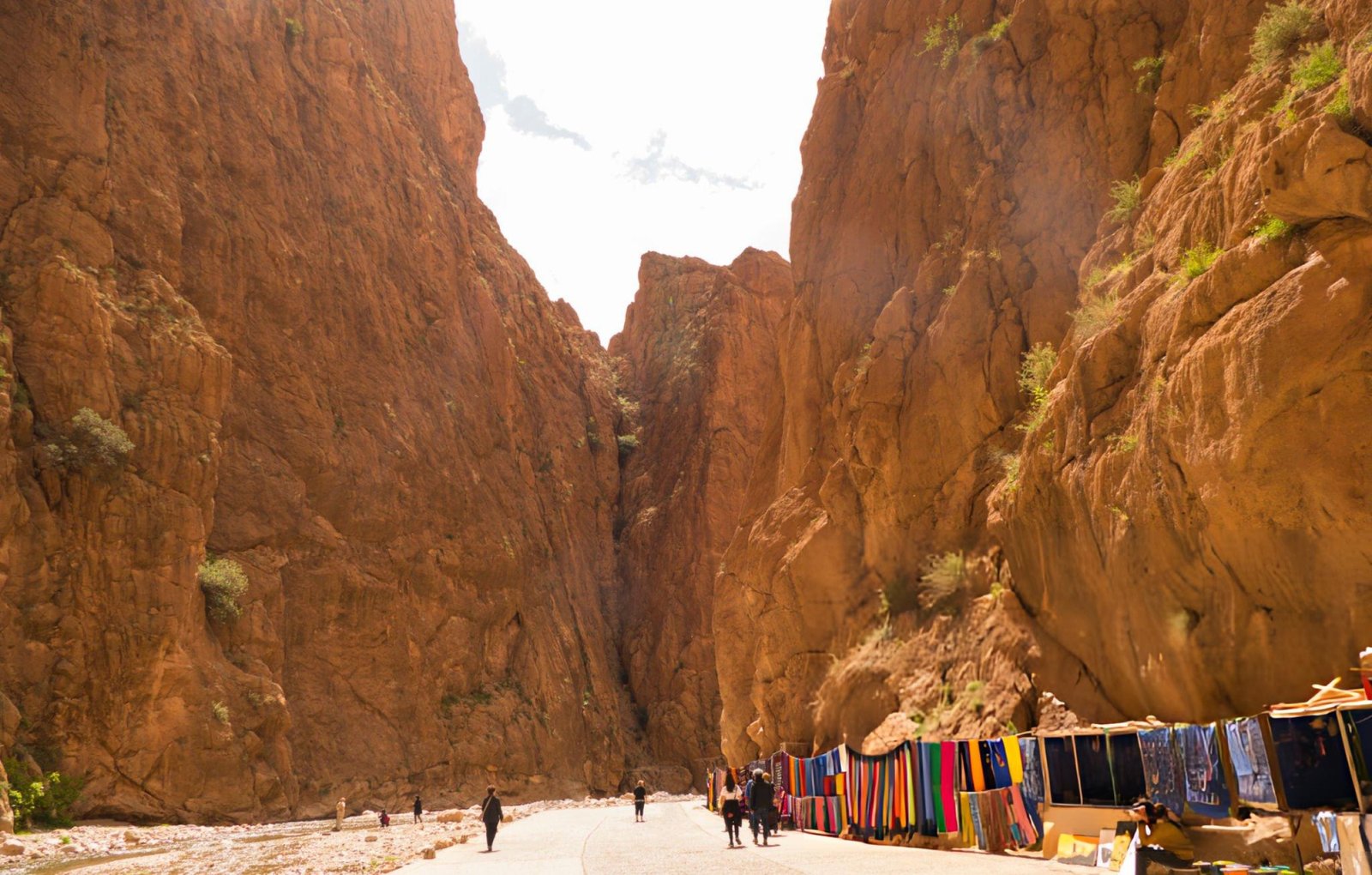
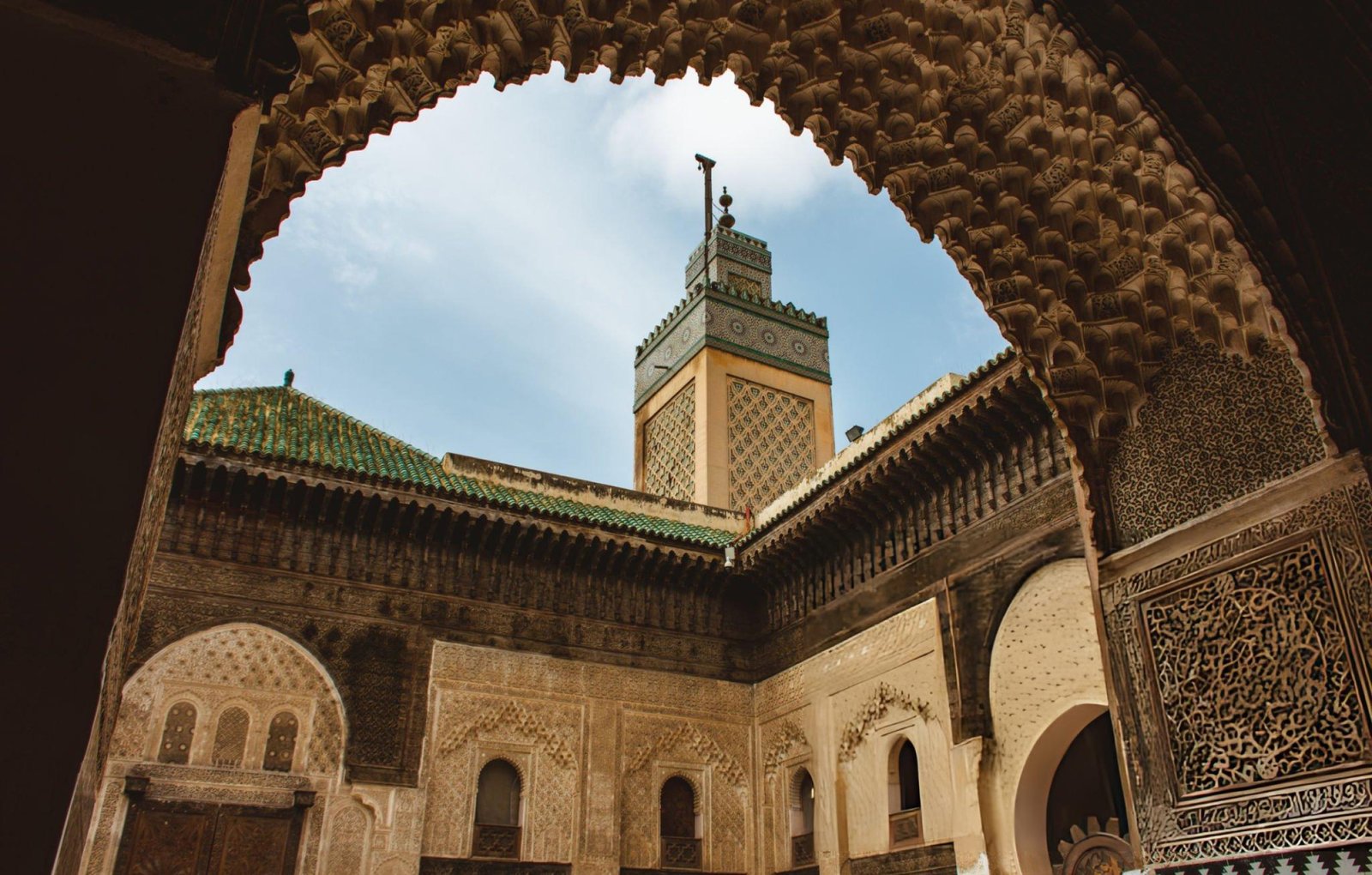
Quick Reference by Month
We offers one of the best tour packages
- January Cold in the desert at night, snow in the mountains, quiet medinas, good for city travel.
- February Atlas wildflowers begin, good for Marrakech and Fes, Sahara still cold at night.
- March Spring arriving, one of the best months across the whole country.
- April Rose Festival in Dades Valley, perfect everywhere, highly recommended.
- May Warm and beautiful, ideal for mountains and desert alike.
- June Getting hot in the south, north and coast still excellent.
- July and August Avoid the desert south, focus on Essaouira and Chefchaouen.
- September Transition month, south beginning to cool, still warm everywhere.
- October Golden season begins, ideal for the Sahara and road trips.
- November Peak season for desert tours and Atlas Mountain excursions.
- December Quiet and atmospheric, great for city stays, cold Sahara nights with incredible skies.
Whatever month you choose, our team at Moroccan Gate will build your itinerary around the season. Contact us at moroccangate.com and tell us when you are coming. We will handle the rest.
Moroccan Gate is a private tour operator based in Marrakech. We have been guiding travelers through Morocco in every season for years. Every tour we build is private, personal, and made for you.